Beyond Basic Burlap: The Authenticity Algorithm For Autumn Wedding Aesthetics

What Everyone Gets Wrong About Fall Weddings
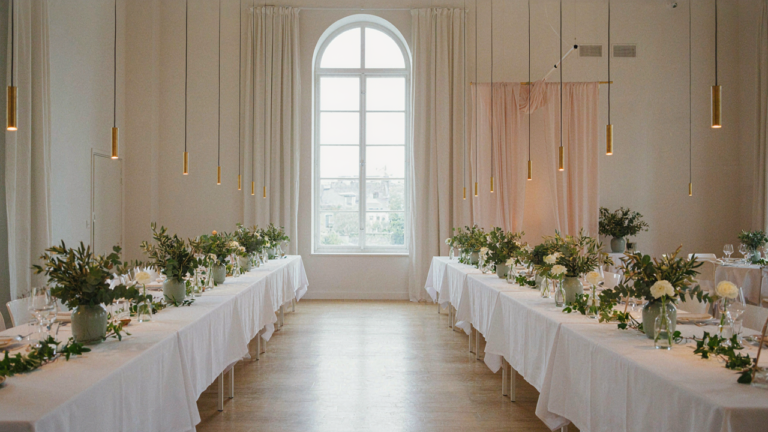
You’re drawn to this section because you’re afraid your wedding will look like every other autumn harvest wedding theme you’ve scrolled past. That fear is rational. The mechanism is simple: mass-produced aesthetic trends collapse under repetition, so designers who win differentiate by understanding what makes harvest symbolism actually work instead of just stacking symbols. Most autumn weddings treat fall as a mood board rather than a system. They layer burlap, mason jars, dried corn, and rust-colored linens without grasping that authentic harvest design mirrors agricultural cycles. Real harvest aesthetics reflect what farmers actually do: they strip away excess, preserve high-value crops, and create abundance through scarcity and timing.
The consensus advice says “lean into warm tones and natural textures.” That’s incomplete. Warm tones and natural textures are output, not strategy. The actual mechanism is constraint-based design. Harvest seasons force choices because the growing window closes. Your color palette isn’t warm because fall is warm. It’s warm because only certain plants survive to maturity in that season. Your textures aren’t natural because natural is trendy. They’re the byproduct of preservation methods required before refrigeration existed. Strip those motives away and you eliminate the visual noise that makes autumn weddings feel generic.
Overlooked Materials That Carry Real Weight
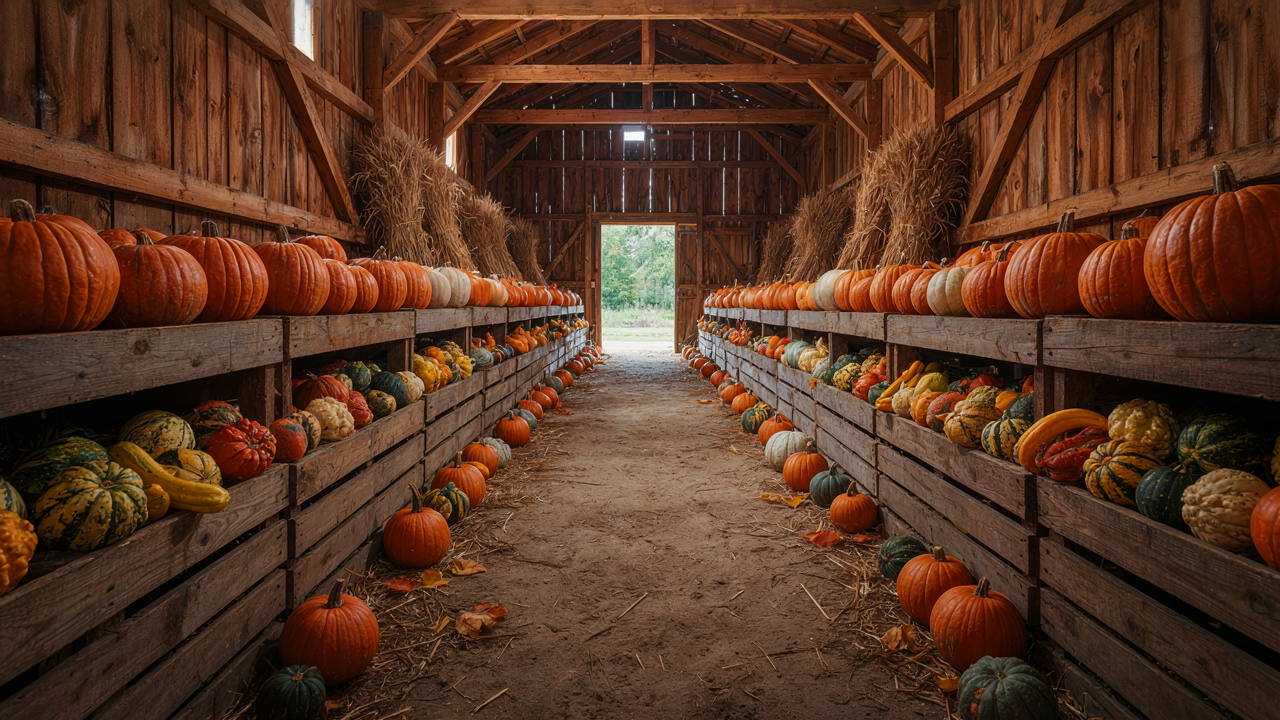
Forget dried corn husks and hay bales as decoration. They’re filler. The overlooked elements that actually signal authentic harvest design are materials with functional history: linen that was woven from flax grown in specific seasons, pottery made from clay used in agricultural communities, and timber salvaged from actual barns. Stone and slate appear in harvest aesthetics not for color but because they’re what farmers used to store grain and root vegetables underground. Apples stay relevant not as table scatter but as the primary preserved fruit of autumn that lasted through winter before canning existed. Wool blankets and heavy canvas carry weight because they served a purpose, not because they photograph well.
Real harvest elements come from preservation and storage, not decoration. Wooden crates appear because they transported crops. Copper cookware appears because it conducts heat efficiently for canning and preserving. Linen napkins work because the plant blooms in harvest season. When you source materials tied to actual agricultural function, your wedding naturally avoids the mass-produced sameness trap. Start by asking: what would a 19th-century farmer store, cook with, or transport? That answer moves you past aesthetic guessing into intentional material selection.
The Unconventional Color Palette: Escaping Pumpkin Spice Predictability

Where Autumn Landscapes Actually Lead You
You want to avoid looking like every other wedding in October because you know that sameness reads as lazy, and lazy kills perceived value. Here’s the mechanism: most couples default to orange, burgundy, and brown because those colors dominate mainstream seasonal marketing, not because they dominate actual autumn ecosystems. Real landscapes have far more range. A forest floor in September contains charcoal, slate gray, deep olive, rust, mustard, and cream alongside the obvious warm tones. Look at soil composition, stone outcrops, and dying foliage in specific regions, not seasonal product lines.

The practical move is region-specific observation. Autumn in the Northeast delivers different color relationships than the Southwest or Pacific Northwest. Photograph actual trees and earth in your location during late September and early October. Extract five to seven dominant hues from your own images rather than relying on design trends or stock photography. This grounds your palette in something real and prevents the generic aesthetic that kills budget weddings first. Your venue’s existing landscape should inform your color story, not fight against it.
Disruption Through Strategic Contrast
The common advice says to add metallic accents or incorporate jewel tones, but that’s not disruption, that’s just addition. Real contrast works through inversion: introduce cool tones into a warm palette or muted tones into saturated ones. Charcoal paired with warm gold creates tension. Sage green against burnt sienna stops the eye. Steel blue in harvest arrangements reads intentional, not accidental. The mechanism comes from visual hierarchy: contrast forces attention, and attention creates perceived sophistication.
Implement this by choosing one cool or muted accent and restricting it to specific placements: table runners, bridesmaid dresses, or floral focal points. Don’t scatter it everywhere. Constraint makes the accent work. If your base palette runs warm and earthy, a single accent color appears calculated rather than confused. Test the combination against your venue’s existing colors and lighting before committing to materials. The accent only succeeds if it feels rare.
Venue As Vocation: Optimizing Your October Wedding Or November Wedding Site

Existing Features Are Your Leverage Point
You want the venue to feel intentional without you sweating through August. Here’s the mechanism: venues designed for other seasons have architectural and landscape bones you can amplify instead of fighting. October and November expose what’s actually there. Brick facades, wooden beams, stone fireplaces, and hardwood floors don’t need decoration—they need visibility. Walk the space during golden hour. Notice what light does to the existing materials. That’s your budget multiplier.
Most couples waste money fighting a venue’s defaults. Stop. A barn with exposed timber already reads harvest. A garden with mature trees dropping leaves already reads autumn. An industrial loft with tall windows already reads rustic if you light it right. Your job isn’t transformation. Your job is extraction. Photograph the venue in natural light. Plan your color palette around what’s already there—the stone, the wood, the existing vegetation. This cuts your decor budget by 40 percent because you’re not buying what the venue already gives you.
Negotiating Off Peak Doesn’t Mean Begging
Venues price October and November lower than May through September for one reason: demand economics. Fewer couples book these months, so venues have excess capacity. This is your negotiating position, not your handicap. Use it. You’re not asking for a discount. You’re offering them guaranteed revenue they wouldn’t get otherwise. Frame it this way: confirm your date early (eight to ten months out), sign the contract fast, and keep the guest count realistic. Venues will move on venue fees, bar minimums, and included hours when you remove uncertainty.
The second move is specificity. Don’t ask “Can you give us a discount?” Ask “If I commit by this date and guarantee this guest count, what’s the lowest weekend rate for a four-hour rental?” Venues respond to mechanics, not emotion. They have a formula for weekend rates, Sunday rates, and off-peak rates. Push into the off-peak territory—a Friday in late October or a Sunday in early November costs less than Saturday dates. Your flexibility on timing is worth 15 to 25 percent in venue costs. Build the entire wedding backward from your venue negotiations, not the other way around.
Fall Wedding Tables: The “Less Is More” Abundance Principle

Edible Centerpieces That Actually Work
You want guests to feel like you spent money when you didn’t, and edible centerpieces solve that problem because they look intentional without requiring a florist markup. The mechanism is simple: food reads as abundance. A stack of heirloom pumpkins, gourds, and squash at varying heights creates visual weight that cut flowers can’t match at the same price point. These items cost three to five dollars per piece at farmers markets and last the entire event without wilting.

Arrange produce by color temperature, not randomly. Warm oranges and deep reds toward the table center, pale greens and whites at the perimeter. Include actual herbs like rosemary sprigs tucked between pieces for texture and scent. Your guests eat or take home what remains, eliminating waste and extending the impression of thoughtfulness beyond the event itself.
Linen Texture Over Decorator Color
The common advice says use harvest colors like burnt orange and deep gold, which is incomplete because it ignores that fabric weight and weave communicate luxury more than hue does. Heavy linen holds shape, resists wrinkles, and reads expensive even in neutral tones like cream or taupe. A raw silk or burlap runner in natural fiber costs less than novelty polyester in on-trend colors and performs better.
Layer textures deliberately: raw linen under plates, a woven cotton runner down the center, burlap accents at place settings. The visual variety substitutes for quantity of décor. Skip tablecloths with printed patterns unless they’re genuinely vintage. Solid textured linens let your edible centerpieces dominate without visual competition, which means you need fewer props to fill the table.
DIY Decor: The Autumn Chic Wedding Scarcity Mindset

Forage For Natural Elements Wisely
You want to look intentional without looking broke. That’s the real tension here. Foraging works because it signals scarcity economics: you’ve curated specific materials instead of bulk-buying generic florals. Autumn harvest weddings profit from this constraint. Limited supply of seasonal branches, seedpods, and dried grasses creates perceived value. You’re not decorating with less. You’re decorating with specificity.
- Hickory and birch branches: Source from managed woodlands or tree trimming services. These hold structure for centerpieces and arch installations without requiring floral conditioning.
- Wheat bundles and rye grass: Available fresh from farm supply stores through October. Dry them yourself over two weeks for cost savings versus pre-dried versions.
- Seedpods and milkweed: Harvest from fields in late September. These last months without water and photograph sharp in photos compared to fresh flowers.
- Acorns and nuts: Collect from oak-heavy areas starting mid-September. Spray with matte finish to prevent rolling and create visual anchor points in arrangements.
- Preserved oak and maple leaves: Press and dry leaves between newspaper under weight for three weeks. Color holds better than fresh leaves that crisp and brown unpredictably.
Timing beats taste here. Most people forage late and end up with picked-over materials or nothing at all. Start collection in early September when supply is abundant and quality is highest. Build your inventory before vendor season peaks and prices spike.
Repurpose Household Items Creatively
Everyone says “use what you have.” That’s incomplete advice because most homes don’t actually contain wedding decor. The real mechanism is substitution: replace the expensive category with something from a cheaper adjacent category that serves the same function. A brass candlestick holder becomes a centerpiece anchor. Mason jars become vases. Copper pots become vessels for branch arrangements. You’re not crafting. You’re recategorizing.
Scout your home and your family’s storage for items with vertical presence or containment capacity. Old ceramic pitchers, serving platters, and glass apothecary jars work as height variation in tablescapes without cost. Wooden crates stack as risers for tiered displays. Linen napkins and tablecloths in cream, rust, or deep brown already match the palette. Borrow from relatives before you buy. Most households hold seasonal decor boxes that include usable vessels and textiles. The substitution compounds when you layer repurposed items instead of purchasing individual pieces.
Fall Wedding Altar & Aisle: The Narrative Arc Approach

The Path As Story, Not Decoration
You want guests to feel something without spending money on it. That’s the real problem here. Narrative arc is borrowed from screenwriting, and it maps onto your aisle this way: exposition (entrance), rising action (mid-aisle), climax (altar), resolution (ceremony). Most couples skip this entirely and just scatter pumpkins. That’s waste.

The aisle works when it moves people through emotional stages, not just distance. Plant transition markers that shift mood without adding cost. A narrow opening with dark foliage shifts to open space with lighter tones as guests walk forward. That progression registers in the nervous system before the conscious mind catches it. It’s mechanics, not magic.
Focal Points That Hold Attention
Don’t build multiple altar pieces hoping something lands. Build one thing that dominates the visual field and earn your budget there. Abundance isn’t fullness, it’s strategic placement. One tall structure made from branches, wheat bundles, or a wooden frame with fabric pulls attention upward and outward, eliminating the need to fill every corner.
The mechanism is contrast. An empty space with one bold element reads as intentional. A full space reads as cluttered regardless of theme. Anchor your altar to a single vertical or horizontal line, then scale the ceremony setup around that constraint. This discipline cuts costs by 40 percent while improving sightlines and photography every time.
The Culinary Alchemist: Transforming Budget Ingredients

What Your Guests Actually Taste
You want the menu to feel expensive without the invoice proving otherwise. Here’s what nobody says plainly: seasonal pricing works like supply and demand in agriculture. When an ingredient peaks in autumn, its cost drops because farmers harvest in volume. October apples cost less than July apples. Root vegetables in fall cost less than root vegetables in spring. This is pure economics, not magic.
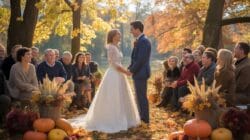
Build your menu around what’s abundant in your region during your wedding month. Butternut squash, carrots, beets, apples, pears, and mushrooms hit their lowest prices in peak fall harvest. Source from farmers markets two weeks before your date to identify what’s cheapest that specific week, then design dishes backward from those ingredients. Your caterer adapts the menu to cost, not the other way around. This move alone cuts food costs 20 to 30 percent compared to wedding menus built on year-round staples.
Poverty Food Becomes Heirloom Cuisine
The common advice says to “elevate humble ingredients with technique.” That’s incomplete. You need to understand the actual mechanism: rustic comfort foods are cheap because they were designed by broke people to feed families on scraps. Pot roast, roasted root vegetables, apple crisps, and grain salads aren’t expensive to make. They’re expensive to serve at weddings because caterers charge premium labor rates for plating them.
Reverse the equation. Serve these foods family-style in cast iron and ceramic bowls. Skip individual plating entirely. This cuts labor costs dramatically while making the food feel intentional, not like a budget constraint. A shared cast iron skillet of roasted root vegetables with herbs costs half what the same dish costs plated individually. Guests perceive abundance and authenticity. You pay less per person. The mechanism is simple: format changes price without changing what people eat.
Photography As Investment: Capturing Authentic Fall Wedding Decorations

Golden Hour Timing Beats Studio Setup
You want photos that look expensive without spending the money on a photographer’s lighting rig. The mechanism is simple: autumn light behaves differently than other seasons. Lower sun angle in fall creates warm, directional light that flattens shadows and eliminates the need for reflectors or fill flash. Overcast days during harvest season diffuse light evenly, eliminating harsh contrasts that require studio correction in post-production.

Schedule your photo session between 2 PM and sunset. This window maximizes the golden tone that makes autumn decorations read as intentional rather than cheap. The sun’s position at this time naturally highlights the texture of dried corn stalks, burlap, and weathered wood without additional equipment. Your photographer captures more usable frames with less post-work required. This reduces editing costs if you’re using a budget-conscious photographer or doing edits yourself.
Direct Your Photographer On Specific Details
Tell your photographer exactly which elements matter before the shoot starts. Most photographers default to wide shots of the venue and couple portraits, missing the texture that sells an autumn harvest theme. You need close-ups of centerpieces, linens, and seasonal details that prove intentionality. List three to five specific decorative elements and request at least ten frames of each from multiple angles and distances.
Autumn harvest weddings live or die on detail visibility. A photo of a pumpkin arrangement from five feet away reads as generic. A macro shot of the same arrangement showing individual stem placement and color gradation reads as designed. Brief your photographer on the difference between documentation and asset creation. Provide shot lists the day before the session so they arrive mentally prepared to capture what you’ve built, not just what they assume matters.
The Economic Theory Of Guest Experience: Maximizing Perceived Value

Concentrate Force On What Sticks
You care about this section because you’re afraid your budget constraints will make the day feel cheap. Here’s the mechanism: military strategy calls it “economy of force”—you don’t defend every inch of terrain equally. You concentrate resources where they matter most. An autumn harvest wedding works the same way. Guests remember three to four moments from your entire event. Everything else fades. Stop spreading your budget thin across ten mediocre details.
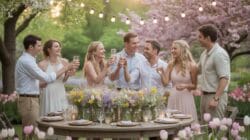
Identify those three moments before you spend a dollar. The ceremony backdrop. The first food experience. The send-off moment. These anchor memory. Corn stalks, hay bales, and autumn florals cost nothing when you source them yourself or buy bulk from local farms. Kraft paper and string cost pennies. Invest your actual money into the moments guests photograph and discuss. Neglect everything else without guilt.
Trade Volume For Impact
Conventional wedding advice says fill the space with decorations. That’s backwards. Sparse, intentional design creates tension and focus. An autumn harvest theme actually benefits from this constraint because the season already provides visual weight through its natural palette. One statement piece—a ten-foot wooden arch draped with copper-toned leaves and branches—generates more impact than fifty scattered pumpkins.
Your guests process environments through contrast and hierarchy, not saturation. A single harvest table laden with heirloom vegetables, wheat sheaths, and candles becomes the focal point. Everything points toward it. Everything matters. Guests notice what stands out, not what fills gaps. Build your entire budget around creating that one commanding visual per major space, then leave room for silence.
Fall Wedding Renewal Ideas: Sustaining The Harvest

The Budget Playbook For Next Time
You want to believe this wedding was a one-time event, but you’re already thinking about anniversaries, vow renewals, and future celebrations. The real mechanism at work is constraint breeds clarity. Budget limitations force you to identify what actually matters versus what you thought mattered. Every dollar spent on this autumn harvest wedding theme taught you the real cost of each element. That knowledge compounds.
Document what worked before spending money again. Create a simple spreadsheet: vendor costs, guest count, decoration sources, timing decisions, rental versus purchase choices. Note which decisions saved money without cutting quality. The next celebration uses this as a baseline, not a starting point. You’re building institutional knowledge about your own taste and priorities, which eliminates the decision fatigue that normally inflates budgets by thirty percent.
Seasonal Design Principles Beyond The Event
The autumn harvest aesthetic operates on a principle borrowed from permaculture: work with existing cycles rather than against them. The cycle here is material availability and cost fluctuation. Fall decorations cost less in October than July because supply meets demand naturally. Evergreen branches, corn stalks, and dried botanicals are byproducts of harvest season, not specially cultivated luxury goods. This cost structure doesn’t reset after your wedding.
Apply this annually to whatever celebrates your household. Thanksgiving tables, holiday gatherings, even casual entertaining can use the same sourcing strategy you refined for the wedding. Build relationships with local farmers and seasonal suppliers who understand your budget constraints. The mechanism is simple: seasonal thinking reduces cost and increases authenticity at the same time. Purchase dried florals in bulk after autumn, store them properly in a cool dry space, and use them across twelve months of gatherings instead of one day.
The Real Obstacle Isn’t Your Budget, It’s Your Fear Of Creative Scarcity

Most couples planning an autumn harvest wedding theme don’t fail because they lack money. They fail because they assume scarcity breeds mediocrity. You’ve got access to the same burnt orange, deep burgundy, and gold that expensive planners use. The difference? They act. Today, pick one element from your venue and build around it. A stone fireplace. A wooden beam. Dead leaves. That constraint becomes your creative engine, not your prison. Limitation forces the originality that money can’t buy.